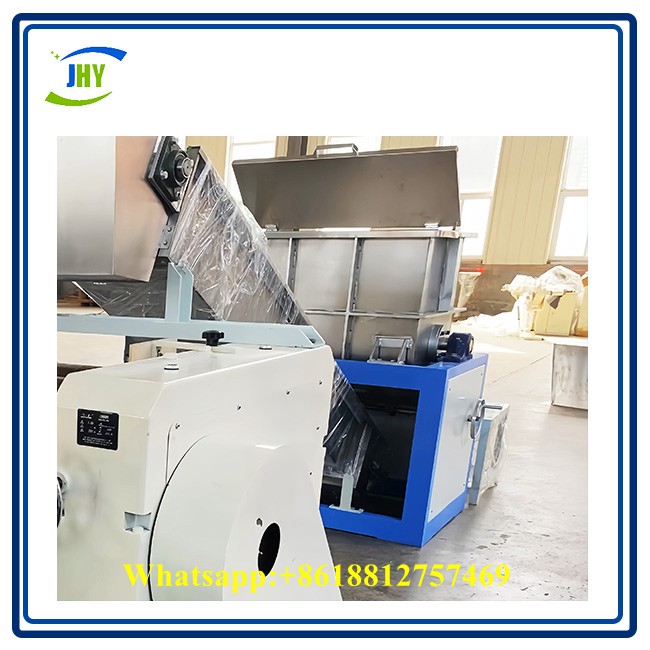
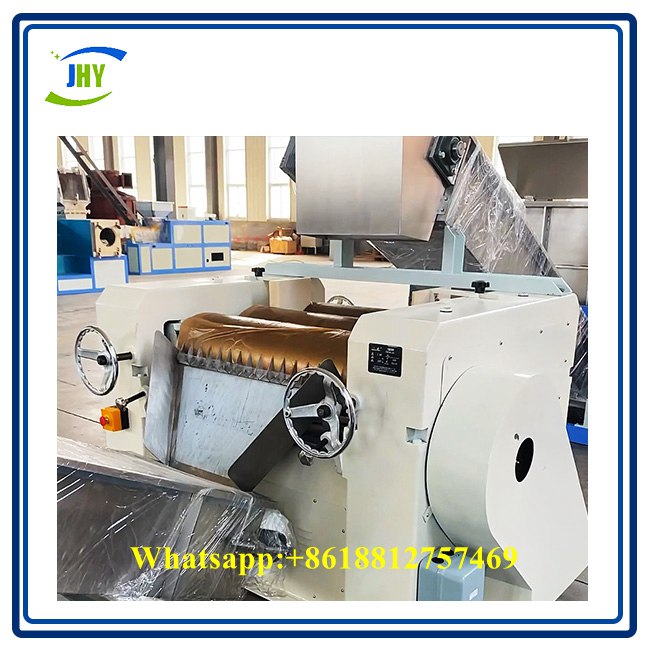
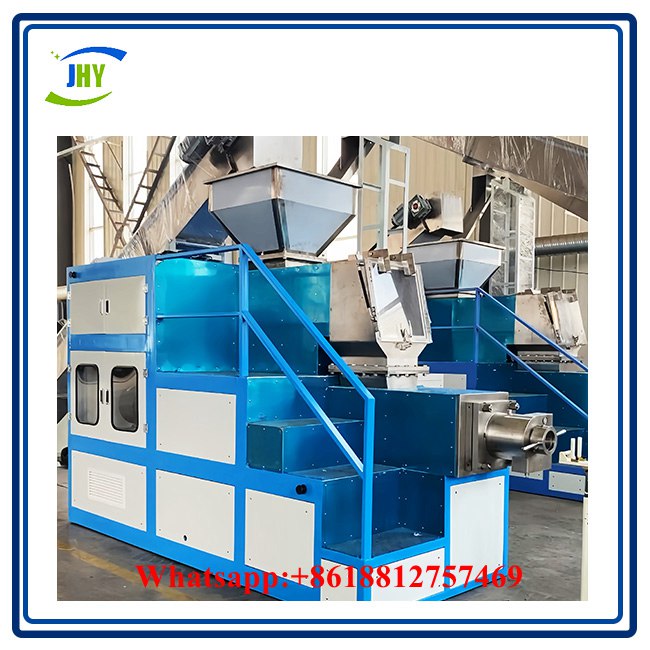
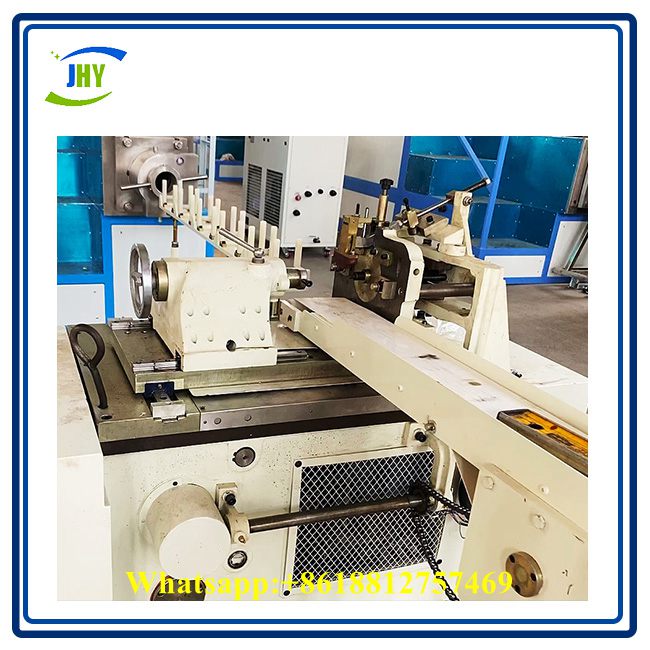
Production Capacity: Customizable lines with outputs ranging from 100 to 2000 kg per hour, adaptable to diverse production scales.
Applications: Efficiently manufactures both bar soap and bathing soap, catering to consumer and commercial hygiene product needs.
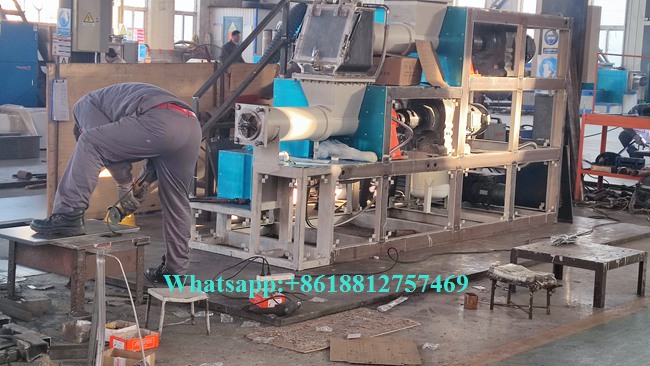
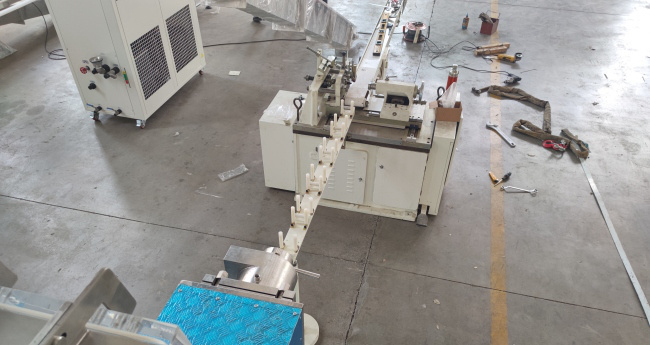
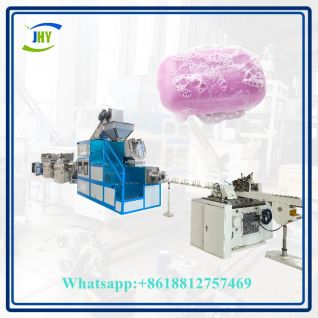
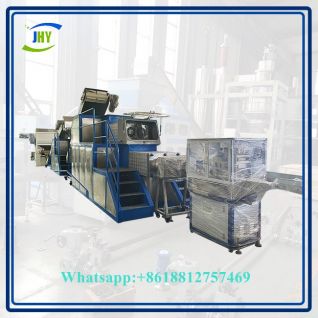
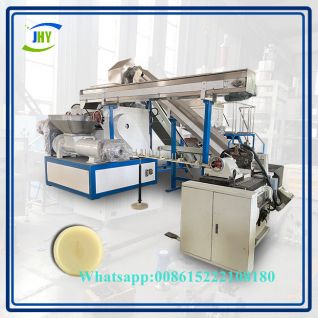
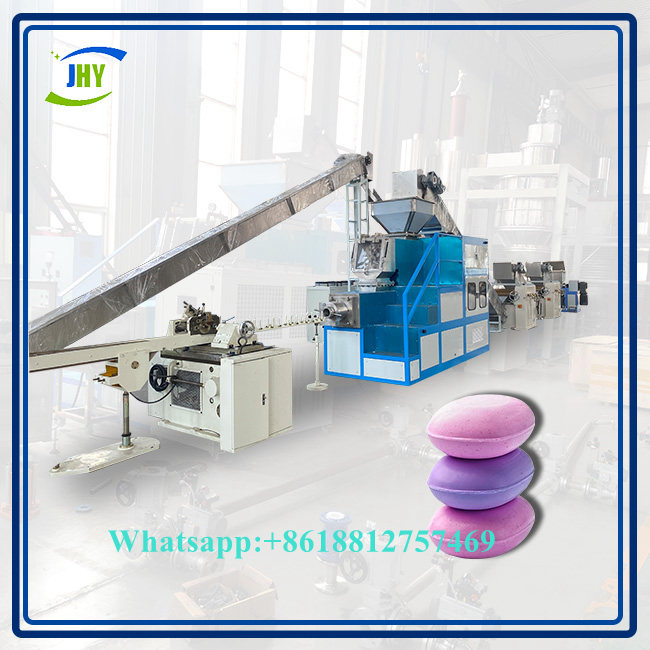
In modern high-volume commercial soap manufacturing, operational success depends on continuous line synchronization, tight weight tolerances, and labor minimization. Relying on semi-automatic setups with manual transfer points creates severe production bottlenecks, increases labor overhead, and introduces human error into product finishing. Investing in a heavy-duty soap making machine automatic line is the definitive strategic move for industrial producers aiming to streamline factory workflows and achieve maximum unit profitability. Engineered for uninterrupted multi-shift operation, our fully automated systems convert raw soap noodles into perfectly stamped, high-density commercial bars ready for instant automated packaging.
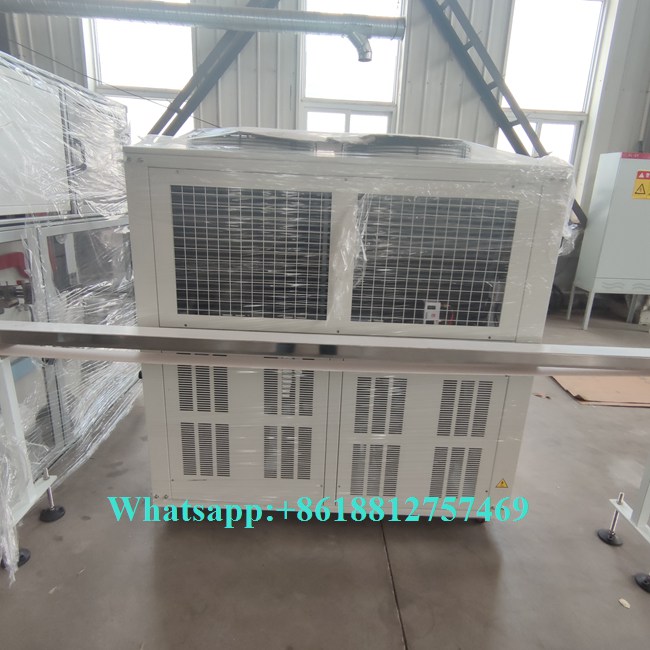
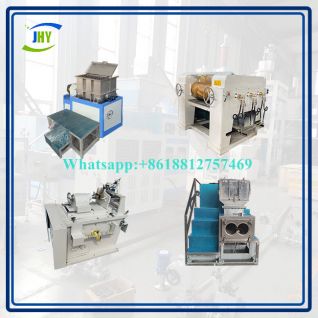
Achieving high-speed production without sacrificing bar quality requires intelligent automation across every processing stage. Our continuous finishing line integrates high-torque mixing, differential three-roll milling, dual-stage vacuum extrusion, and dynamic cutting into a centralized, fully synchronized processing ecosystem:
◆ Centralized PLC Smart Control: Integrated touchscreen interfaces allow operators to monitor line speeds, barrel temperatures, and extrusion pressures in real time, ensuring steady operation with minimal manual intervention.
◆ 40% Reduction in Plant Labor: By eliminating manual material transfers and integrating inline automated cutting, a complete high-capacity line can be managed by only 6 to 8 operators per shift, significantly cutting monthly payroll costs.
◆ Inline Dynamic Speed Matching: Intelligent sensor arrays automatically synchronize cutting and stamping speeds with the linear extrusion rate, preventing material buckling, surface distortion, and batch inconsistency.
◆ 100% Automated Waste Recycling: Off-cuts and stamping scrap fall directly onto lower return conveyors and are fed back into the vacuum plodder instantly, achieving zero raw material waste during continuous runs.
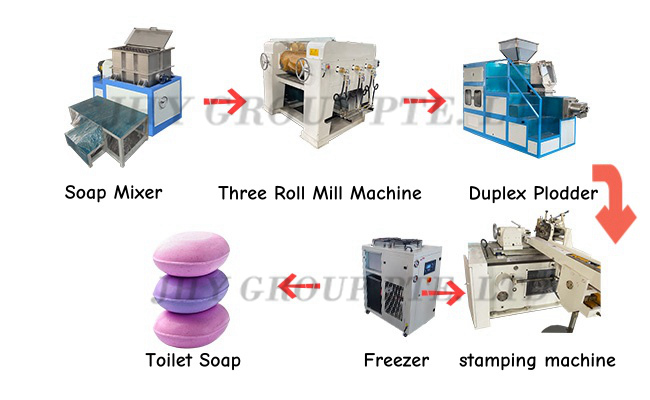
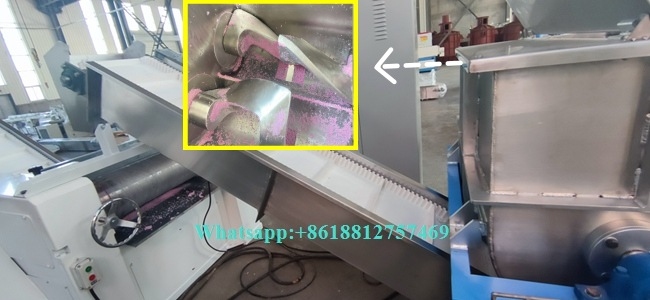
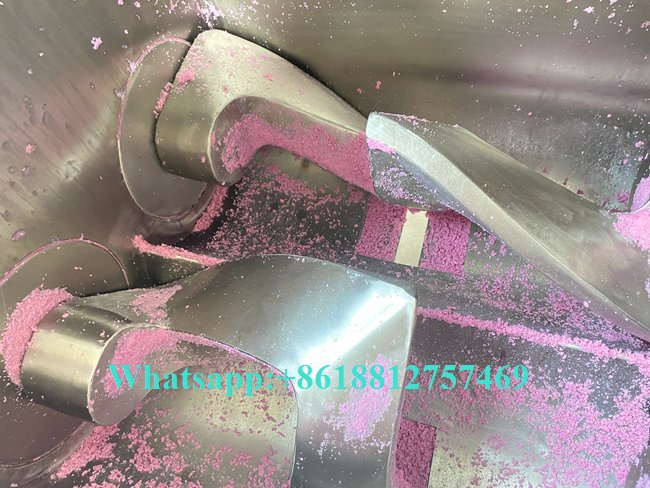
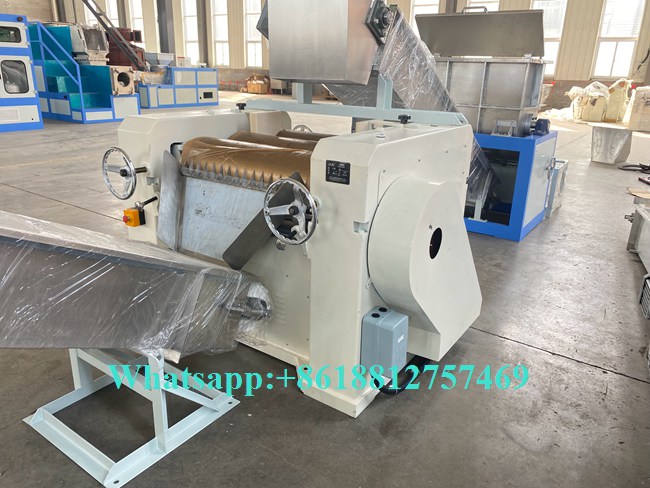
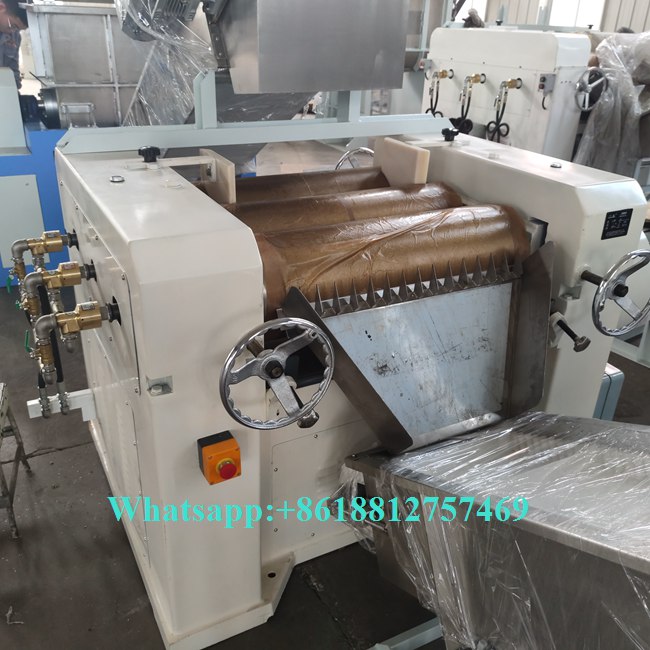
To ensure long-term mechanical reliability in demanding industrial environments, every soap making machine automatic unit is built with high-grade structural components. All contact surfaces exposed to active chemical formulations are constructed from heavy-gauge SS304 stainless steel, preventing corrosion, eliminating batch contamination, and meeting global hygiene standards. Powered by premium international drive motors and heavy-hardened gearboxes, our systems deliver high torque and smooth operation across scalable capacities—from 100–200 kg/h for regional expansion to 1,000–2,000 kg/h for large-scale export operations.
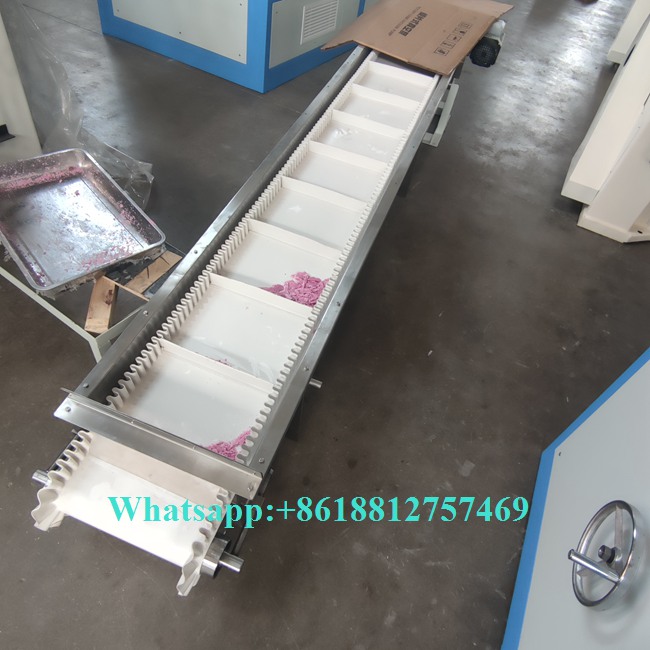
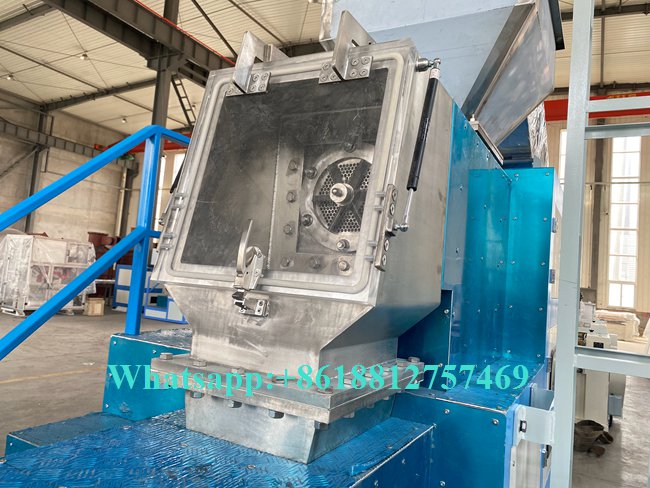
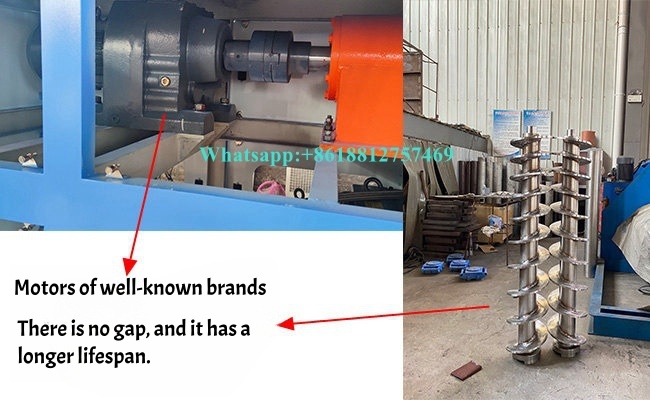
We deliver complete technical security for overseas equipment procurement. Before ocean shipment, every complete production line undergoes full load dry-testing and factory acceptance inspections in our facility to verify electronic synchronization, vacuum seal performance, and mechanical stability. Our turnkey B2B service package includes custom 3D factory layout engineering, detailed electrical schematics, video setup guides, and live remote commissioning support from senior engineers. Backed by a permanent inventory of original spare parts and 24/7 technical assistance, we guarantee your plant achieves rapid commissioning, maximum operational uptime, and a swift return on investment.
Whether you are converting an existing semi-automated facility into a fully automated plant or erecting a new high-throughput commercial enterprise, our engineering team delivers the optimal technical configuration for your target market. Contact our export department today to receive a comprehensive technical proposal, a customized ROI projection, and tailored 3D plant layout drawings for your manufacturing floor.